Sustainable Agriculture: A Vital Need for Society and the Economy
BASIC Development Foundation’s People-Led Approach to Climate-Resilient Farming
Introduction: Why Sustainable Agriculture Matters Today
Agriculture is the backbone of Pakistan’s economy, employing a large portion of the population and ensuring national food security. However, climate change, soil degradation, excessive use of chemical inputs, water scarcity, and dependence on external agricultural resources are threatening the sustainability of this vital sector. These challenges not only affect farmers’ livelihoods but also endanger food systems, public health, and economic stability.
In response to these growing concerns, BASIC Development Foundation (BDF) is actively working to promote sustainable agriculture through people-led development and climate change adaptation strategies. The foundation’s approach aims to build a resilient, eco-friendly, and inclusive agricultural system that supports farmers, protects biodiversity, and strengthens local economies.
Understanding Sustainable Agriculture
Sustainable agriculture is a farming approach that meets present food needs without compromising the ability of future generations to meet theirs. It focuses on:
- Environmental protection
- Economic viability
- Social equity
Unlike conventional agriculture, which often relies heavily on chemical fertilizers, pesticides, and imported inputs, sustainable agriculture emphasizes natural resource conservation, local solutions, and long-term resilience.
The Need for Sustainable Agriculture in Our Society
Pakistan’s agricultural sector faces multiple interlinked challenges:
Climate Change and Environmental Stress
Rising temperatures, unpredictable rainfall, floods, and droughts have severely impacted crop productivity. Smallholder farmers are the most vulnerable, often lacking the resources to adapt. Without sustainable and climate-smart practices, food insecurity will continue to rise.
2. Overuse of Chemical Inputs
Excessive use of chemical fertilizers and pesticides has led to:
- Soil infertility
- Water contamination
- Health risks for farmers and consumers
Reducing chemical dependency is essential to protect both human health and ecosystems.
3. Economic Pressure on Farmers
High input costs, low market access, and dependence on external suppliers reduce farmers’ profit margins. Sustainable agriculture offers cost-effective alternatives through local resources and cooperative farming models.
4. Loss of Biodiversity
Monocropping and aggressive farming practices have reduced biodiversity in agro-intensive areas. This loss weakens ecosystems and increases vulnerability to pests and diseases.
BASIC Development Foundation’s Approach to Sustainable Agriculture
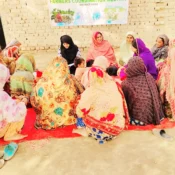
BASIC Development Foundation addresses these challenges through a people-led, climate-resilient agricultural model. Their approach places communities at the center of development, ensuring solutions are practical, inclusive, and sustainable.
1. Climate Change Adaptation Strategies
BDF promotes climate-smart agricultural practices such as:
- Crop diversification
- Water-efficient farming techniques
- Soil conservation methods
- Use of climate-resilient crop varieties
These strategies help farmers adapt to changing environmental conditions while maintaining productivity.
2. Reducing Chemical Inputs
The foundation encourages:
- Organic farming practices
- Natural pest control methods
- Composting and bio-fertilizers
This reduces production costs, improves soil health, and ensures safer food for consumers.
3. Minimizing Reliance on External Factors
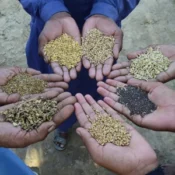
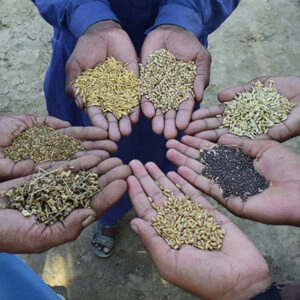
By promoting locally available inputs and indigenous knowledge, BDF helps farmers become more self-reliant. Reduced dependency on imported fertilizers, seeds, and chemicals strengthens local agricultural systems.
4. Promoting Cooperative Farming
BDF supports cooperative farming models where farmers:
- Share resources
- Reduce costs
- Improve bargaining power
- Access markets collectively
This approach enhances social cohesion and economic resilience within rural communities.
5. Conserving Biodiversity in Agro-Intensive Areas
BDF integrates biodiversity conservation into farming practices by:
- Encouraging mixed cropping systems
- Protecting native plant species
- Supporting eco-friendly land management
Healthy ecosystems lead to more productive and sustainable agriculture.
Impact on Society
The foundation’s sustainable agriculture initiatives create a ripple effect across society:
Food Security
By increasing resilience and productivity, sustainable agriculture ensures a stable food supply, particularly for vulnerable populations.
Improved Public Health
Reduced chemical use leads to safer food and cleaner water, decreasing health risks for farming communities and consumers.
Community Empowerment
People-led development empowers farmers with knowledge, skills, and decision-making authority, fostering dignity and self-sufficiency.
Gender and Social Inclusion
Cooperative farming and community-based models create opportunities for women and marginalized groups to participate in agricultural decision-making and income generation.
Economic Impact of Sustainable Agriculture
Sustainable agriculture is not only environmentally responsible—it is economically beneficial.
1. Increased Farmer Incomes
Lower input costs and improved yields enhance profitability for smallholder farmers.
2. Job Creation
Eco-friendly farming, value-added agricultural products, and cooperative enterprises generate rural employment opportunities.
3. Reduced National Dependency
By minimizing reliance on imported agricultural inputs, sustainable practices contribute to economic stability and foreign exchange savings.
4. Long-Term Economic Growth
Healthy soils, stable ecosystems, and resilient farming communities support long-term agricultural productivity, which is essential for national economic development.
Why BASIC Development Foundation’s Work Is Essential
The work of BASIC Development Foundation directly addresses the root causes of agricultural vulnerability. Their integrated approach ensures that:
- Farmers are not passive recipients but active leaders of change
- Environmental protection goes hand in hand with economic growth
- Development solutions are sustainable, scalable, and community-owned
In a time when climate change and food insecurity pose serious threats, BDF’s sustainable agriculture initiatives are not just beneficial—they are essential for the future of society and the economy.
Conclusion
Sustainable agriculture is no longer an option; it is a necessity for ensuring food security, environmental protection, and economic resilience. Through its people-led, climate-adaptive approach, BASIC Development Foundation is building a model of agriculture that empowers communities, conserves biodiversity, and strengthens local economies.
By investing in sustainable agriculture today, we secure a healthier, more resilient, and more prosperous society for generations to come.