Skill-Based Sources of Livelihood: Strengthening Economic Resilience in Agricultural Communities
BASIC Development Foundation’s Integrated Approach to Sustainable Development
Introduction: Why Skill-Based Livelihoods Are Essential
Agricultural communities in Pakistan face increasing economic uncertainty due to climate change, fluctuating crop yields, market instability, and rising production costs. For many rural households, reliance on agriculture alone is no longer sufficient to ensure a stable income. This vulnerability highlights the urgent need for diversified, skill-based sources of livelihood that can complement farming activities and provide economic security.
Recognizing this need, BASIC Development Foundation (BDF) has developed initiatives focused on skill-based livelihood development, enabling individuals and families to generate alternative income while preserving their cultural heritage and traditional expertise. This approach strengthens rural economies, enhances resilience, and promotes sustainable development.
Understanding Skill-Based Sources of Livelihood
Skill-based sources of livelihood refer to income-generating activities built on practical skills, traditional knowledge, and local expertise. These may include:
- Handicrafts and artisanal work
- Agro-based value addition
- Small-scale processing and packaging
- Livestock-related services
- Local trade and micro-enterprises
By upgrading existing skills through structured training and capacity-building programs, communities can turn traditional practices into sustainable economic opportunities.
The Link Between Sustainable Agriculture and Livelihood Diversification
Sustainable agriculture remains central to rural life, but it must be complemented with diversified income sources to reduce risk. Crop failures, climate shocks, or market downturns can quickly destabilize farming households. Skill-based livelihoods act as a financial safety net, allowing families to maintain income even during agricultural downturns.
BDF’s integrated development model connects sustainable agriculture, skill development, and quality education to create long-term economic stability for rural communities.
The Need for Skill-Based Livelihoods in Agricultural Communities
1. Climate and Economic Vulnerability
Unpredictable weather patterns and environmental degradation have increased the frequency of agricultural losses. Without alternative income options, farming families are pushed further into poverty.
2. Limited Employment Opportunities
Rural areas often lack formal employment options, especially for women and youth. Skill-based livelihood programs address this gap by creating localized, home-based, or community-driven income opportunities.
3. Underutilized Traditional Skills
Many communities possess valuable traditional crafts and expertise that remain economically untapped. With proper training, these skills can be transformed into market-ready products and services.
BASIC Development Foundation’s Approach to Skill-Based Livelihoods
BASIC Development Foundation adopts a people-centered and market-oriented approach to livelihood development, ensuring sustainability and real economic impact.
1. Skill Development and Vocational Training
BDF provides structured training programs that:
- Enhance existing skills
- Introduce modern techniques and quality standards
- Improve productivity and product value
Training is tailored to local contexts, ensuring relevance and accessibility.
2. Income Diversification for Farming Households
By engaging in skill-based activities alongside agriculture, households can:
- Offset agricultural losses
- Stabilize monthly income
- Reduce dependence on seasonal farming cycles
This diversification strengthens economic resilience at both household and community levels.
3. Promotion of Traditional Crafts and Local Expertise
BDF supports artisans and skilled workers in reviving and upgrading traditional crafts, helping them:
- Improve design and quality
- Access new markets
- Preserve cultural heritage
This not only generates income but also reinforces community identity.
4. Inclusion of Women and Youth
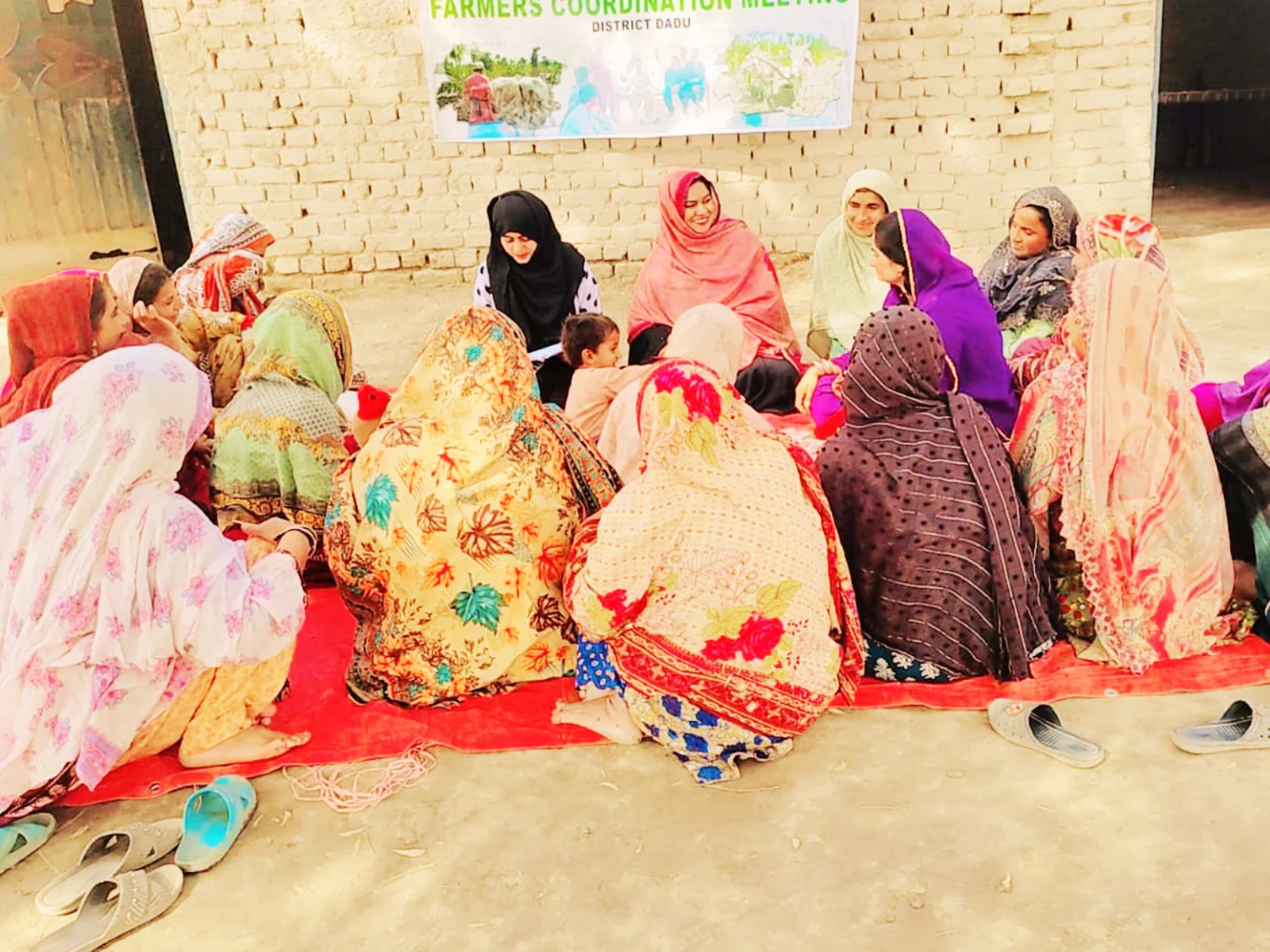
Women and young people are key beneficiaries of BDF’s skill-based livelihood programs. By providing them with practical skills and income opportunities, the foundation:
- Enhances household incomes
- Promotes gender equality
- Reduces rural-to-urban migration
5. Linking Skills with Markets
To ensure sustainability, BDF emphasizes:
- Market awareness and entrepreneurship
- Basic financial literacy
- Cooperative models for collective selling
This approach ensures that skills translate into real economic returns.
Social Impact of Skill-Based Livelihood Initiatives
The benefits of skill-based livelihood development extend beyond income generation:
Community Empowerment
Individuals gain confidence, independence, and decision-making power within their households and communities.
Improved Quality of Life
Stable incomes enable families to invest in education, healthcare, and nutrition.
Social Cohesion
Cooperative livelihood models strengthen trust, collaboration, and mutual support within communities.
Economic Impact on Local and National Levels
1. Poverty Reduction
Diversified income streams reduce vulnerability and help lift households out of poverty.
2. Rural Economic Growth
Local enterprises stimulate rural markets and contribute to inclusive economic development.
3. Reduced Migration Pressure
When viable livelihoods exist locally, communities are less likely to migrate in search of work.
4. Sustainable Development
By combining agriculture, skills, and education, communities achieve long-term economic sustainability rather than short-term relief.
Why BASIC Development Foundation’s Work Is Critical
BDF’s skill-based livelihood initiatives address a fundamental development challenge: ensuring that rural communities are not solely dependent on unpredictable agricultural income. By empowering people with skills rooted in their own traditions and environments, the foundation builds self-reliant, adaptable, and resilient communities.
This integrated approach supports:
- Sustainable agriculture
- Economic stability
- Social inclusion
- Environmental responsibility
Conclusion
Skill-based sources of livelihood are essential for building resilient agricultural communities in an era of climate uncertainty and economic change. Through targeted training, income diversification, and people-led development, BASIC Development Foundation is creating pathways for sustainable livelihoods that protect communities from risk while unlocking their full economic potential.
By investing in skills today, societies can ensure stronger rural economies, reduced poverty, and a more sustainable future for all.